
Lymphatic Drainage Massage – Downtown Kelowna
 Benefits, What to Expect & Who It’s For
Manual Lymphatic Drainage (MLD) is a gentle, evidence-informed treatment that can play an important role in reducing swelling, supporting post-surgical recovery, improving comfort, and encouraging healthy lymphatic circulation. It isn’t a miracle cure or a replacement for your body’s natural detoxification systems, but when performed by a Registered Massage Therapist with additional training in Manual Lymphatic Drainage (MLD), it can be a safe and effective treatment for reducing swelling, supporting recovery, and promoting overall well-being.
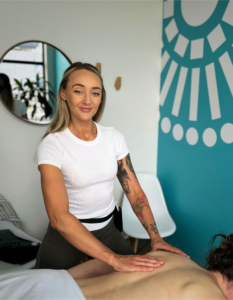
At Mind Body Soul Integrative Clinic in Kelowna, Jasmine, RMT is trained in Dr.Vodder techniques and provides Manual Lymphatic Drainage with a personalized approach. Whether you’re recovering from surgery, managing fluid retention, experiencing chronic swelling, or simply looking to support your overall wellness, treatment is tailored to your individual needs and health goals.
What Is Lymphatic Drainage Massage?
Manual Lymphatic Drainage (MLD) is a specialized massage technique designed to encourage the movement of lymph fluid throughout the body. Unlike traditional massage, which focuses on muscles and connective tissue, lymphatic drainage targets the lymphatic system—a network of vessels, lymph nodes, and organs that plays an essential role in maintaining fluid balance and supporting immune function.
One of the biggest surprises for first-time patients is how gentle the treatment feels, true Manual Lymphatic Drainage uses very light, rhythmic movements. This isn’t because the treatment is less effective, it is because the lymphatic vessels sit just beneath the surface of the skin. Applying too much pressure can compress these delicate vessels, making it more difficult for lymph to move efficiently.
During treatment, Jasmine follows specific anatomical pathways using slow, precise techniques that encourage lymph fluid to move toward healthy lymph nodes where it can continue through the body’s natural circulation. Rather than forcing fluid through the body, Manual Lymphatic Drainage works with your body’s physiology. The treatment is designed to support normal lymphatic function, helping reduce certain types of swelling while promoting relaxation and comfort.
Understanding Your Lymphatic System
Every day, a small amount of fluid naturally leaks from your blood vessels into the surrounding tissues. Most of this fluid returns directly to your bloodstream, but the rest is collected by the lymphatic system—a network of lymph vessels, lymph nodes, and organs that transports excess fluid, proteins, cellular waste, and immune cells back into circulation. When this process is disrupted—whether by surgery, injury, illness, or the removal of lymph nodes during cancer treatment—lymph fluid can accumulate in the tissues, leading to swelling known as lymphedema. Manual Lymphatic Drainage is designed to support the body’s natural lymphatic flow, helping to reduce certain types of swelling and promote healthy fluid balance.
Unlike your circulatory system, which is powered by the heart, the lymphatic system has no pump of its own. Instead, it relies on:
- Muscle contractions
- Walking and regular movement
- Deep breathing
- Healthy functioning lymph vessels
- Manual Lymphatic Drainage techniques
This is one reason people often notice increased swelling after surgery, injury, prolonged sitting, or extended travel. When movement is reduced or tissues become inflamed, lymphatic flow can slow, allowing excess fluid to accumulate.
The lymphatic system also plays an important role in immune function. As lymph passes through hundreds of lymph nodes located throughout the body, immune cells help identify and respond to bacteria, viruses, and other foreign substances.
It’s important to understand that while the lymphatic system contributes to your body’s natural waste-removal processes, your liver and kidneys remain your primary detoxification organs. Manual Lymphatic Drainage supports healthy lymphatic circulation—it doesn’t “flush toxins” or cleanse the body in the way many online advertisements claim.
Evidence-Based Benefits of Manual Lymphatic Drainage
Manual Lymphatic Drainage has been used for decades in both medical and rehabilitation settings. While researchers continue to study its full range of applications, several benefits are well recognized.
- Helps Reduce Swelling
One of the primary reasons people seek lymphatic drainage massage is to reduce swelling caused by excess fluid accumulation.
This may occur after surgery, injury, prolonged standing or sitting, pregnancy, or certain medical conditions. By encouraging healthy lymph movement, Manual Lymphatic Drainage can help improve fluid circulation and reduce feelings of heaviness or tightness in affected areas.
- Supports Post-Surgical Recovery
Many surgeons recommend Manual Lymphatic Drainage following cosmetic and orthopedic procedures once it is medically appropriate. Reducing post-operative swelling may improve comfort, mobility, and overall recovery. Treatment timing should always follow your surgeon’s recommendations.
- May Improve Comfort After Injury
Inflammation is a natural part of healing, but excessive swelling can sometimes contribute to discomfort and stiffness. When appropriate, lymphatic drainage massage may help reduce localized swelling and improve comfort during recovery.
- Helps Reduce Feelings of Heaviness
Many patients describe swollen legs or arms as feeling heavy, tight, or uncomfortable. By supporting healthy fluid movement, Manual Lymphatic Drainage may reduce these sensations and help patients feel lighter and more comfortable throughout the day.
- Supports Healthy Lymphatic Circulation
Your lymphatic system works continuously to maintain fluid balance and transport immune cells throughout the body. Manual Lymphatic Drainage supports the normal movement of lymph fluid, particularly when swelling or inactivity may be affecting its circulation.
- Encourages Relaxation
The slow, rhythmic nature of Manual Lymphatic Drainage often encourages deep relaxation and may help calm the nervous system. Many people leave their appointments feeling refreshed, less stressed, and mentally clearer.
- May Reduce Temporary Bloating and Puffiness
If you’ve experienced puffiness after travelling, eating salty foods, hormonal changes, or prolonged sitting, some of that fullness may be related to fluid retention. MLD may help reduce temporary fluid retention, leaving you feeling less bloated and more comfortable.
- May Improve Mobility
Swelling around joints can sometimes limit comfortable movement. As swelling decreases, patients often report feeling more mobile and less restricted during everyday activities.
Who Can Benefit from Manual Lymphatic Drainage?
While many people first hear about lymphatic drainage massage through social media, the treatment has a long history in rehabilitation and healthcare. Originally developed by Dr. Emil Vodder and Dr. Estrid Vodder in the 1930s, the Dr. Vodder Method of Manual Lymph Drainage remains one of the most recognized and respected approaches to lymphatic therapy worldwide. Jasmine incorporates these specialized techniques into treatment, providing care that is gentle, precise, and based on the anatomy and physiology of the lymphatic system.
Manual Lymphatic Drainage may be appropriate for a wide variety of people, including those experiencing:
- Post-surgical swelling following cosmetic or orthopedic procedures (with medical clearance)
- Fluid retention or mild edema
- Swelling after injury
- A feeling of heaviness in the arms or legs
- Puffiness after travel or prolonged sitting
- Pregnancy-related swelling (when appropriate and approved by your healthcare provider)
- General feelings of puffiness or bloating related to fluid retention
- A desire for a deeply relaxing treatment that supports overall wellness
It is important to remember that not all swelling has the same cause. Before beginning treatment, Jasmine will review your health history and discuss your goals to determine whether Manual Lymphatic Drainage is appropriate for you. In some situations, swelling requires medical evaluation before massage therapy is recommended.
Manual Lymphatic Drainage is not appropriate for everyone. Treatment may need to be postponed or avoided in cases such as active infection, fever, untreated deep vein thrombosis (DVT), uncontrolled congestive heart failure, or certain kidney conditions. Your safety always comes first, and referrals to another healthcare provider may be recommended when necessary.
What to Expect During Your First Appointment
If you’ve never experienced Manual Lymphatic Drainage before, you may be surprised by how different it feels from a traditional massage.
After discussing your health history, symptoms, and treatment goals, Jasmine will explain the treatment plan and answer any questions you may have. Depending on your needs, treatment may focus on one area of the body or involve multiple regions to encourage healthy lymphatic flow.
The massage itself is performed using slow, rhythmic, repetitive movements with very light pressure. Because the lymphatic vessels are located just beneath the skin, there is no need for deep tissue techniques. In fact, excessive pressure can reduce the effectiveness of true Manual Lymphatic Drainage. Many patients describe the treatment as calming, almost meditative. Some even fall asleep during their appointment.
After your session, you may notice:
- Reduced swelling or puffiness
- A feeling of lightness
- Increased relaxation
- Improved comfort or mobility in swollen areas
Some people also notice they urinate more frequently for a short period after treatment as their body continues regulating fluid balance. Individual experiences vary, and some people notice gradual improvements over several sessions rather than dramatic changes after a single treatment. Staying hydrated, moving your body regularly, and following any home-care recommendations Jasmine provides can help support your results.
Frequently Asked Questions About Lymphatic Drainage Massage
Does lymphatic drainage massage detoxify your body?
This is one of the most common and misunderstood questions. Your body already has highly effective detoxification systems. Your liver, kidneys, lungs, digestive tract, and skin continuously process and eliminate waste products. The lymphatic system plays an important supporting role by collecting excess fluid, proteins, and cellular waste from your tissues before returning that fluid to your bloodstream. Manual Lymphatic Drainage supports this natural process by encouraging healthy lymph movement. However, it does not “flush toxins” from your body or perform a dramatic cleanse as some social media posts suggest.
Can lymphatic drainage help you lose weight?
No, Manual Lymphatic Drainage is not a weight-loss treatment. It does not burn fat or increase metabolism. However, if you’re retaining excess fluid, reducing that fluid may leave you feeling slimmer or less bloated temporarily. Any change on the scale is usually related to fluid balance rather than body fat.
Can lymphatic drainage slim your face?
It can temporarily reduce facial puffiness. Fluid retention around the eyes, cheeks, or jawline may improve following treatment, creating a more defined appearance. This is especially common after travel, poor sleep, hormonal fluctuations, or increased sodium intake.
Can lymphatic drainage boost immunity?
The lymphatic system is an essential part of the immune system, helping transport immune cells throughout the body. Supporting healthy lymphatic circulation contributes to normal lymphatic function, but there is currently no strong evidence that Manual Lymphatic Drainage “boosts” the immune system in otherwise healthy individuals or prevents illness. One of its most valuable effects may actually be stress reduction. Since chronic stress can affect overall health, promoting relaxation can be a meaningful benefit in its own right.
What’s the difference between Brazilian Lymphatic Drainage and Manual Lymphatic Drainage?
This question has become increasingly common thanks to TikTok and Instagram. Traditional Manual Lymphatic Drainage, including the Dr. Vodder Method, is a medically developed technique based on decades of research and clinical practice. It uses light, rhythmic movements that follow the anatomy of the lymphatic system. Brazilian lymphatic drainage often incorporates firmer pressure and body-contouring techniques designed to create more immediate cosmetic changes. While both approaches may temporarily reduce fluid retention, they are not the same treatment. If your goal is post-surgical recovery, swelling management, or evidence-informed lymphatic care, Manual Lymphatic Drainage is considered the gold standard.
Is lymphatic drainage massage covered by insurance?
Yes. Because all our massage therapists are Registered Massage Therapists (RMT), treatment may be eligible for reimbursement through many extended health benefit plans that include massage therapy coverage. Coverage varies between insurance providers and individual plans, so we recommend checking your benefits before your appointment.
How many treatments will I need?
Every patient is different. Some people experience meaningful improvement after one session, while others recovering from surgery or managing persistent swelling benefit from a series of treatments. Your treatment plan will depend on your goals, your health history, and how your body responds over time.
Ready to Experience the Benefits of Manual Lymphatic Drainage?
Whether your goal is to reduce swelling, support post-surgical recovery, improve comfort, or simply feel less puffy and more relaxed, Manual Lymphatic Drainage offers a gentle, evidence-informed approach that works with your body’s natural physiology.
References:
- Thompson, B., Gaitatzis, K., Janse de Jonge, X., Blackwell, R., & Koelmeyer, L. A. (2021).
Manual lymphatic drainage treatment for lymphedema: A systematic review of the literature.
Journal of Cancer Survivorship, 15(2), 244–258.
DOI: 10.1007/s11764-020-00928-1
https://doi.org/10.1007/s11764-020-00928-1 (Macquarie University) - Ramadan, F. (2024).
Manual lymphatic drainage: The evidence behind the efficacy.
British Journal of Community Nursing, 29(2), 83–89.
DOI: 10.12968/bjcn.2024.29.2.83
https://doi.org/10.12968/bjcn.2024.29.2.83 (Magonline Library) - Palmer, S. J. (2024).
An Overview of Manual Lymphatic Drainage.
British Journal of Community Nursing, 29(9).
https://www.britishjournalofcommunitynursing.com/content/professional/an-overview-of-manual-lymphatic-drainage (British Journal of Community Nursing) - Cedars-Sinai. (2023).
FAQs About Lymphatic Drainage Massage.
https://www.cedars-sinai.org/stories-and-insights/expert-advice/lymphatic-drainage-massage-faqs - Vodder School International.
The Original Dr. Vodder Method of Manual Lymph Drainage (MLD).
https://vodderschool.com/about-us